
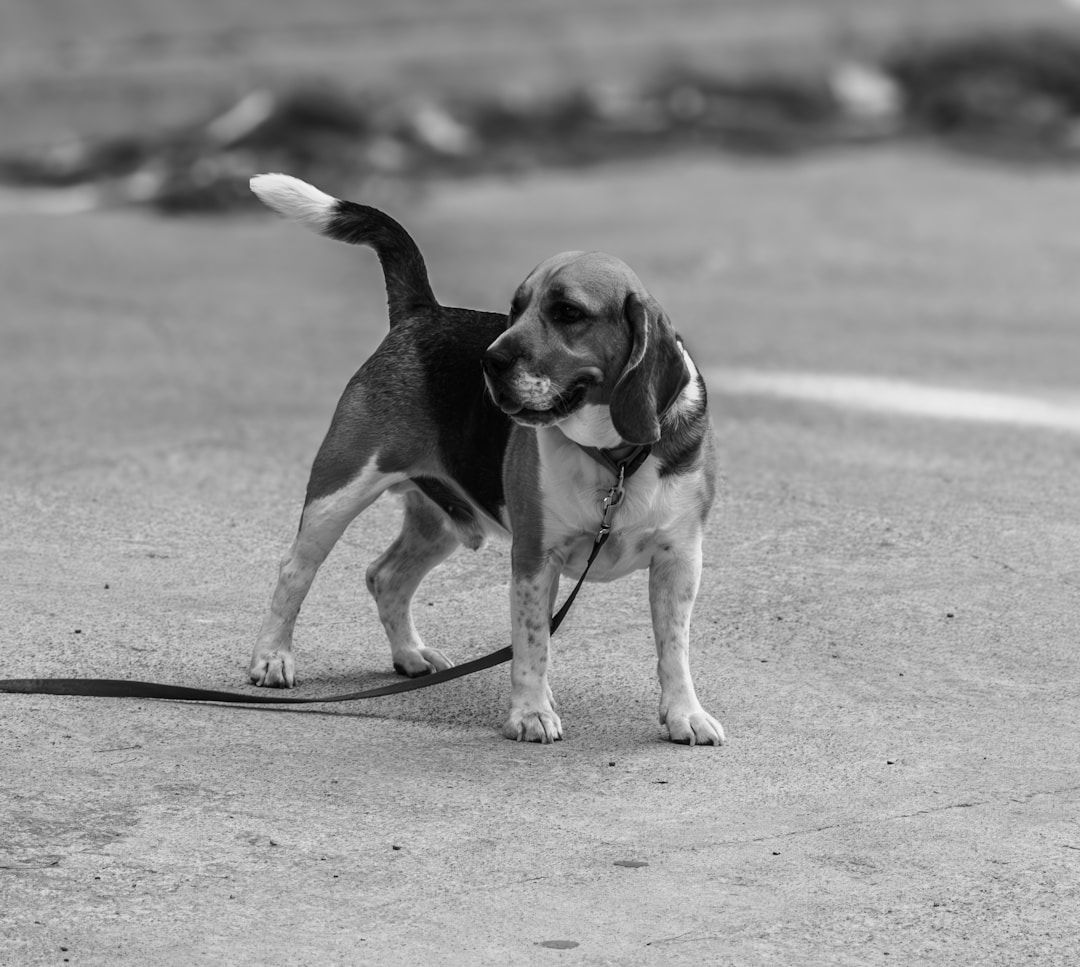
"How do I stop my dog pulling on the lead"
"No matter what I do he still pulls"
One of the worst things we do is assume that a dog knows they shouldn't be pulling but do it anyway.
That's when the poor-quality dog trainer creeps in with their confirmations of a determined, obtuse dog and their tools to put the situation right.
Dogs don't pull on purpose despite knowing they shouldn't. They are not our enemy; they are our friend, and if they are lucky enough to be with a half-awake guardian, also our family.
"No matter what I do he still pulls"
One of the worst things we do is assume that a dog knows they shouldn't be pulling but do it anyway.
That's when the poor-quality dog trainer creeps in with their confirmations of a determined, obtuse dog and their tools to put the situation right.
Dogs don't pull on purpose despite knowing they shouldn't. They are not our enemy; they are our friend, and if they are lucky enough to be with a half-awake guardian, also our family.
Why Do They Keep Pulling?
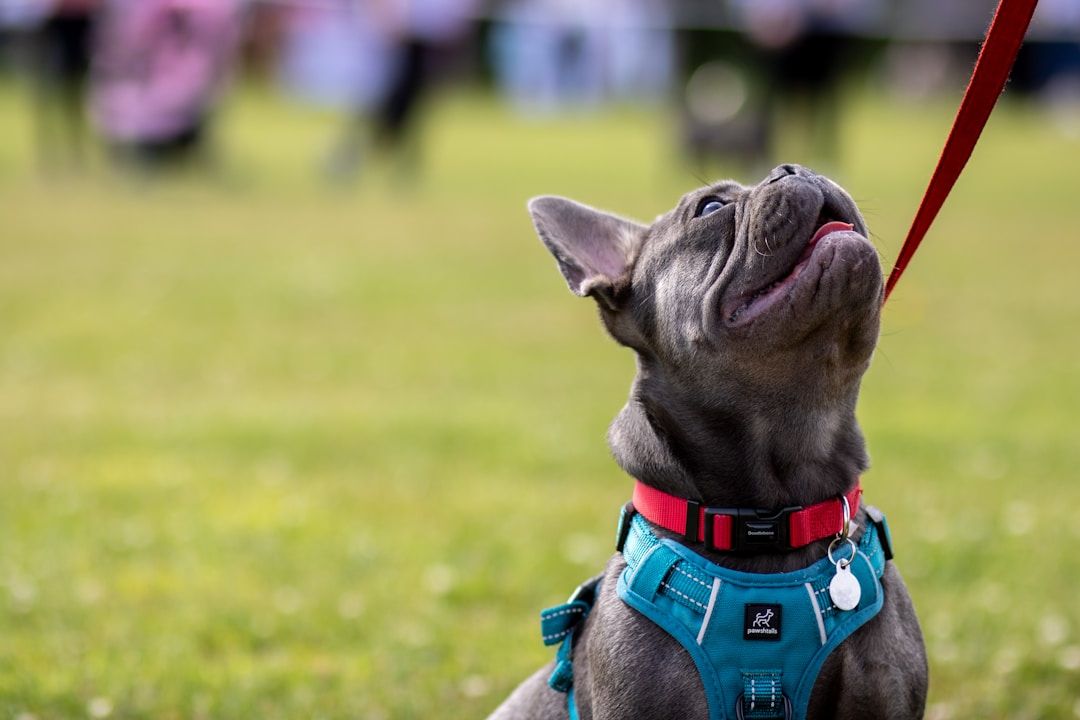
Let's look at some examples:
- A dog who has been dragged back and shouted at for pulling is more likely to want to get as far as possible from the dragger and shouter so pulls on the lead.
- A dog who only ever gets some mental stimulation outside the house gets very aroused with all the sights and sounds and just cannot control their emotional response (whether it's a good or a bad response for example excitement or stress) pulls because they can't focus on training.
- A dog who can focus on training isn't given it, in a way that motivates them or builds them to being able to carry out the training in the given situation. So many people take a dog on a walk and try to train them and that's never going to work, we need to teach for the situation, not in it.
I'm hoping you're starting to understand that when your dog pulls on the lead there's a reason for it that simply does not justify punishing them or threatening them with pain, shock or intimidation if they pull.
I really hope you're starting to see now that your own dog's pulling is based on how they feel. That your dog is just trying their best with the opportunities and situations they are put in, that they are not simply untrained, but unsupported.
I hope you're starting to empathise with your dog, despite them adding to your stress. Just as I can empathise with you, even when you have been in a situation where someone has already done something bad to your dog.
How To Teach Loose Lead
The best thing, your bond will grow, they will find you more interesting, you are not harming, threatening them or putting something archaic on their precious necks. Our dogs only have us, let's be worthy of them.
So, to summarise:
- Are your dog's natural needs being met? If not meet them through enrichment, scentwork, foraging, connection and care.
- Is your dog relaxed on walks? If not, learn more about how they feel and why they feel that way; follow us we will show you.
- Do they have a history of negative walks? Turn them into positive experiences as outlined above.
Teach your dog that a loose lead is rewarding, that your connection is more important than getting away from you, gradually in a way they understand. It's not hard, it doesn't take long, it's way better than letting an uneducated trainer at that most precious being you have brought into your home and your life.
This type of learning will work, for every dog, for every other animal including humans. It's proven and if it isn't working it's about the delivery, not the dog. Of you can't get it to work, please contact me and I can either help you or put you in touch with someone local and more importantly - educated and kind.
Stick with us, we will help you, it's why we exist, for you and your beautiful, sweet dog.
Thanks for reading.
Stay in Touch
Sign Up Here For More Free Advice
Thank you!
Created with