
Building Optimism and Joy: The Emotional Foundation of Dog Training

Feb 23

Dog training isn't just about behaviour and dog behaviour isn't just a training issue.

We have been caught up in sits and stays and recalls. It's not about compliance or control or having a well-behaved dog to make life easier.

Dog training, done right, is about helping, building and managing excellent canine emotional health.

It's about creating a dog who feels optimistic about the world. A dog who expects good things. A dog who has agency and confidence and joy.

Because a dog's emotional state is the foundation of everything. Their behaviour, their learning, their physical health, their relationship with you - it all flows from how they feel.

Let me share what emotional health looks like in practice, and how we build it through the way we train and live with our dogs.

Optimism: Teaching Dogs to Expect Good Things

Optimism is a learnable emotional state.

Dogs who have primarily positive experiences begin to expect positive experiences. Their default assumption becomes "something good might happen" rather than "I need to be on guard."

An optimistic dog approaches new situations with curiosity rather than fear. They recover faster from stress. They're more resilient when things go wrong. They're easier to train because they're engaged and willing rather than shut down or defensive.
Optimism develops through consistent positive experiences.

Predictable good things. Meals arrive on time. Walks happen regularly. You come home when you leave. The world follows patterns they can anticipate.  Removing unpredictability and punishment.

Dogs can't be optimistic if they never know when something bad might happen. If you sometimes shout, sometimes punish, sometimes force them into scary situations, they learn to expect threat. They become hypervigilant, not optimistic.

Make good things happen often.

Don't save rewards for perfect behaviour. Sprinkle good things throughout your dog's day. Treats for existing. Praise for making eye contact. Play for checking in with you. Good things happening frequently, for small reasons, builds optimism.

Allowing them to create good outcomes. When your dog makes a choice and something good happens as a result, they learn they have agency. They learn their behaviour matters. They learn they can make good things happen. This is profoundly optimistic.


Creating optimism is easier when we incorporate Scentwork into the mix, you can learn how to do that through my highly accessible book Seeking Optimism.

Glimmers: Recognising Moments of Light

The trauma therapy world talks about "triggers" - the things that activate our fear response. But there's another concept that matters just as much: glimmers.

Glimmers are the opposite of triggers. They're the small moments when something good happens. When you feel safe. When you experience joy or connection or peace.

Dogs experience glimmers too.

For an anxious or reactive dog, glimmers might be:
A moment when they notice another dog but don't react. A second of play with a toy.

Choosing to approach you. Taking a treat gently. Falling asleep in the same room as you. A relaxed body for just a few breaths.

These moments matter enormously.

Why are glimmers important?

Every glimmer is a moment when your dog's nervous system shifts out of threat mode into safety mode. Even briefly.

And every time that shift happens, it becomes slightly easier for it to happen again.

Neural pathways strengthen with repetition. If your dog only ever practices fear and reactivity, those pathways dominate. But if they also practice moments of safety, curiosity, play, connection - even tiny moments - you're building alternative pathways. You're teaching their nervous system that other states are possible.

Part of supporting your dog's emotional health is learning to recognise glimmers.
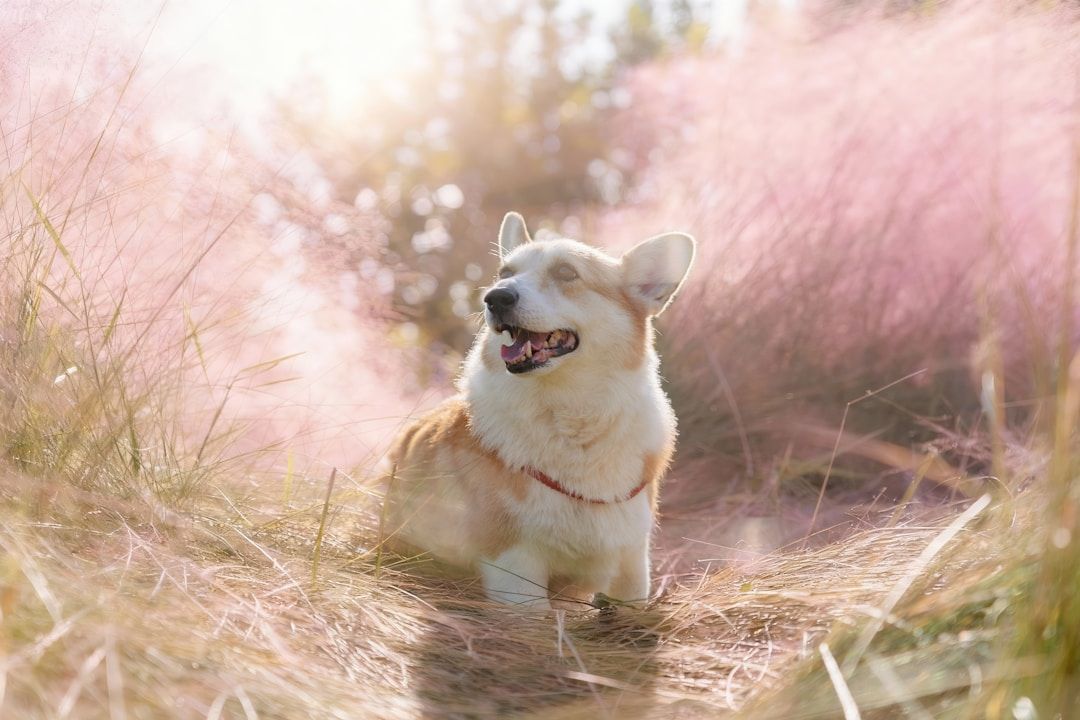
Not just the obvious good moments, but the tiny ones. The split second when they looked at a trigger and looked away calmly. The moment they stretched out instead of staying tense. The brief tail wag. The soft eyes.

These are data points telling you their nervous system is shifting.

And when you notice glimmers, you can amplify them. Not with huge celebrations that might break the moment, but with gentle acknowledgment. A soft word. A small treat. Your own calm pleasure at witnessing their peace.

You're marking those moments. Making them significant. Helping your dog notice them too.

Setting Your Dog Up For Success

This is perhaps the most important principle in emotionally healthy training: set your dog up to succeed.

Don't put them in situations where they're likely to fail, become overwhelmed, or make "mistakes." Create situations where success is almost inevitable.

Start with easy versions. Teaching recall? Start in your living room with no distractions, not at the park with squirrels and other dogs. Teaching loose lead walking? Start in your garden, not on the high street.

Work at your dog's pace. If they're struggling, you're asking too much too soon. Back up. Make it easier. Let them succeed there before progressing.

Manage the environment. Can't trust your reactive dog around other dogs yet? Don't go to the dog park hoping for the best. Walk at quiet times, maintain distance, set them up to stay under threshold.

Remove obstacles. If your dog won't take treats on walks, they're too stressed. The environment is too overwhelming. Make it easier - quieter route, shorter walk, more familiar territory.

Celebrate small wins. Your dog looked at you when you called them? Success! They took three calm steps? Success! They didn't react to that dog across the street? Success!
Every time your dog succeeds, something important happens neurologically.

Dopamine releases. This feels good. It creates motivation to try again. It builds confidence. It creates positive associations with training, with you, with the situation.

Success is inherently rewarding.

But failure - being put in situations where they can't succeed, where they're overwhelmed, where they "get it wrong" - is inherently punishing. It creates stress. It damages confidence. It makes your dog less likely to try next time.

Even if you don't actively punish failures, the experience of failing is aversive. The experience of being overwhelmed is traumatic.

So we don't set dogs up to fail and then try to fix it. We set them up to succeed in the first place.

Reward Everything: The Power of Abundance

Here's a radical idea: stop being stingy with rewards.
Reward your dog for existing near you. Reward them for making eye contact. Reward them for calm behaviour.

Reward them for coming when called. Reward them for staying when you asked them to stay. Reward them for walking nicely for three steps.

Reward everything you want to see more of, and reward it generously.

The Scarcity Mindset in Traditional Training

Traditional training often operates from scarcity. Dogs must "earn" rewards by being obedient.

Rewards are withheld until the behaviour is perfect. You don't reward "easy" things because the dog "should" do those anyway. 
This creates dogs who are constantly working to earn love, attention, and good things.


It creates a transactional relationship. It creates dogs who are focused on avoiding mistakes rather than offering behaviours. It creates stress around training because resources (your attention, treats, praise) are scarce and must be earned.


What if instead, we operated from abundance?

What if good things flowed freely? What if your dog could trust that treats appear, praise comes easily, play is available, your attention is theirs? This creates emotional security.


When resources are abundant, dogs don't have to work so hard to earn them. They can relax. They can experiment with behaviours without fear of "getting it wrong" and losing access to rewards. They can be themselves.


And interestingly, dogs trained with abundant rewards are often more responsive, not less. Because training is fun. Because engagement with you reliably produces good things. Because they're operating from a place of security rather than scarcity.


What if your dog gets treats for so many things. For looking at you on walks. For coming to check in. For sitting calmly while you prepare her food. For being in the same room as you. For making good choices.

Does this mean they are "spoiled"? That they won't listen unless there are treats?

No. It means they're secure. They trusts that good things happen with you. They're motivated to engage because engagement is reliably rewarding.

And because of this abundance, she's confident. She offers behaviours freely. She recovers quickly from stress because her baseline is "good things happen."


That's the power of reward abundance.

Join our newsletter

Get updates on live streams, news and more right in your mailbox.
Thank you!
Created with